
Critical Thinking Exercises: Sharpen Your Mind with Proven Activities in 2025
Critical Thinking Exercises: Sharpen Your Mind with Proven Activities in 2025
In today’s fast-paced world filled with information overload, misinformation, and complex challenges, critical thinking exercises have become essential for personal growth, academic success, and professional excellence. Critical thinking is the ability to analyze information objectively, evaluate evidence, identify biases, and make reasoned decisions. Whether you’re a student preparing for exams, a professional solving workplace problems, or an adult navigating daily life, engaging in regular critical thinking exercises can significantly boost your cognitive skills.
This comprehensive guide explores the importance of critical thinking, its key benefits, and over 20 practical critical thinking exercises tailored for students, adults, and workplace teams. By incorporating these activities into your routine, you’ll enhance problem-solving, decision-making, and creativity. Let’s dive into why critical thinking matters and how you can develop it effectively.


What Is Critical Thinking and Why Is It Important?
Critical thinking involves actively and skillfully conceptualizing, applying, analyzing, synthesizing, and evaluating information to guide beliefs and actions. It’s not just about being skeptical; it’s about being open-minded while grounding your conclusions in logic and evidence.
The Importance of Critical Thinking Skills
In 2025, with AI advancements, fake news proliferation, and rapid societal changes, critical thinking is more vital than ever. Here’s why:
- Better Decision-Making: Critical thinkers weigh options, foresee consequences, and avoid impulsive choices.
- Problem-Solving Excellence: They break down complex issues into manageable parts.
- Professional Success: Employers value critical thinking for innovation, leadership, and adaptability. Studies show it’s among the top skills demanded in workplaces.
- Academic Achievement: Students with strong critical thinking perform better in analysis-heavy subjects.
- Personal Empowerment: It helps combat biases, understand diverse perspectives, and navigate misinformation.
- Lifelong Learning: In an era of constant change, critical thinkers adapt quickly.
Without these skills, individuals risk falling for fallacies, making poor judgments, or stagnating professionally. Regular critical thinking exercises build resilience against cognitive biases and enhance overall intelligence.
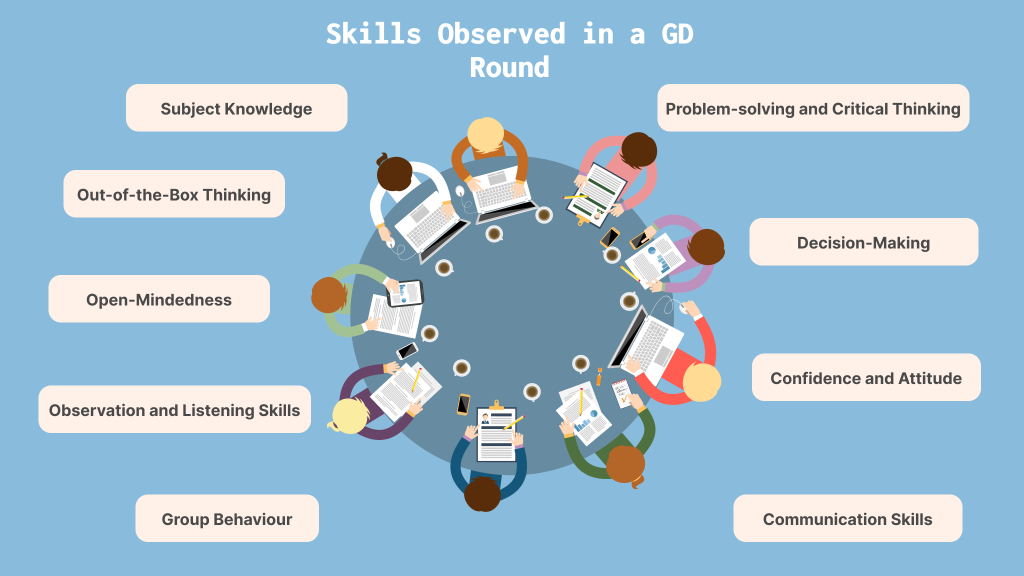
How to Improve Critical Thinking Skills
Improving critical thinking isn’t innate—it’s a skill honed through practice. Key strategies include:
- Question Everything: Ask “why,” “how,” and “what if” regularly.
- Seek Diverse Perspectives: Read opposing views to challenge your assumptions.
- Practice Reflection: Journal about decisions and outcomes.
- Engage in Debates: Discuss topics logically without emotion.
- Use Structured Tools: Techniques like mind mapping or the “Five Whys” deepen analysis.
- Play Brain Games: Puzzles and strategy games sharpen reasoning.
Consistency is key—aim for daily practice. Now, let’s explore specific critical thinking exercises.
Top Critical Thinking Exercises for Everyone
Here are proven exercises, categorized for ease. Many are adaptable for individuals, groups, students, or professionals.
1. The Five Whys Technique
Root cause analysis classic. Ask “why” five times to uncover deeper issues.
- Example: “I’m late for work.” Why? “Traffic.” Why? “Left late.” Why? “Overslept.” Continue until root cause.
- Benefits: Reveals underlying problems; great for workplace troubleshooting.
- Time: 10-15 minutes.
2. Brain Teasers and Riddles
Classic riddles force lateral thinking.
- Example: “What has keys but can’t open locks?” (A piano.)
- Variations: Logic puzzles like Sudoku or Einstein’s Riddle.
- For groups: Share riddles in teams.
- Benefits: Improves pattern recognition and creativity.

3. Debate and Role-Playing
Argue opposite sides of an issue.
- Exercise: Choose a topic (e.g., social media pros/cons). Switch sides midway.
- Workplace version: Role-play scenarios like conflict resolution.
- Benefits: Builds empathy, identifies biases, and strengthens arguments.
4. Mind Mapping
Visual tool for organizing thoughts.
- Start with a central idea; branch out associations, pros/cons, evidence.
- Tools: Paper or apps like MindMeister.
- Benefits: Enhances synthesis and clarity.
5. Fact vs. Opinion Sorting
List statements; classify as fact or opinion.
- Example: “Chocolate is the best flavor” (opinion) vs. “Chocolate comes from cacao beans” (fact).
- Benefits: Sharpens evaluation of sources, crucial in misinformation era.
6. Reverse Brainstorming
To solve a problem, first brainstorm how to worsen it.
- Flip ideas for solutions.
- Great for teams: “How to make a project fail?” → Reverse for success.
- Benefits: Uncovers hidden flaws creatively.
7. The Marshmallow Challenge
Team-building: Build tallest tower with spaghetti, tape, string, and marshmallow on top.
- Time limit: 18 minutes.
- Benefits: Encourages prototyping, collaboration, and learning from failure.
8. Murder Mystery Games
Analyze clues to solve a fictional crime.
- Online versions or apps available.
- Benefits: Hones deduction, evidence evaluation, and teamwork.
9. Six Thinking Hats (Edward de Bono)
Wear “hats” for different perspectives:
- White: Facts
- Red: Emotions
- Black: Risks
- Yellow: Benefits
- Green: Creativity
- Blue: Process
- Benefits: Structured parallel thinking; excellent for group decisions.
10. Journaling and Reflection
Daily: Write about a decision, pros/cons, alternatives, outcome.
- Prompt: “What assumptions did I make today?”
- Benefits: Develops metacognition (thinking about thinking).
Critical Thinking Exercises for Students
- Prediction Activities: While reading, predict outcomes and justify.
- Socratic Questioning: Teachers/students ask probing questions.
- Puzzle Relays: Teams solve puzzles sequentially.
- Wordle or Crossword Puzzles: Daily for vocabulary and logic.
Critical Thinking Exercises for Adults and Workplace
- Escape Room Challenges: Virtual or in-person for pressure-based thinking.
- Case Studies: Analyze real business scenarios.
- Inversion Thinking: Plan to fail to avoid pitfalls.
- Argument Mapping: Diagram pros/cons visually.


Additional Critical Thinking Exercises to Try
- Ladder of Inference: Trace how you jump from data to conclusions.
- SWOT Analysis: Strengths, Weaknesses, Opportunities, Threats for decisions.
- Devil’s Advocate: Deliberately argue against your belief.
- Cloud Stories: Describe shapes in clouds; discuss interpretations.
- Impromptu Storytelling: Build stories collaboratively.
- Board Games: Chess, Scrabble, or Settlers of Catan.
- News Analysis: Evaluate articles for bias.
- Hypothetical Scenarios: “What if” questions for ethics/creativity.
- Active Listening Exercises: Paraphrase others’ views accurately.
- Cognitive Bias Challenges: Identify biases in everyday thinking.
Benefits of Regular Critical Thinking Practice
- Enhanced creativity and innovation.
- Reduced stress from better decisions.
- Improved relationships through empathy.
- Career advancement—critical thinkers lead.
- Resilience against manipulation.
Studies from sources like Coursera and Indeed confirm critical thinking correlates with higher success rates.
Conclusion: Start Your Critical Thinking Journey Today
Incorporating critical thinking exercises into your daily life is one of the best investments you can make. Start small—pick one exercise today—and build from there. In 2025, with challenges like AI ethics and global issues, sharp critical thinking isn’t optional; it’s essential.
Challenge yourself: Try the Five Whys on a current problem right now. Over time, you’ll notice clearer thinking, better solutions, and greater confidence.


Read through it quickly, haven’t fully digested it yet. Leaving a comment so I can come back later.